

Signs Your Whole-Home Generator Transfer Switch Needs Repair in Georgia
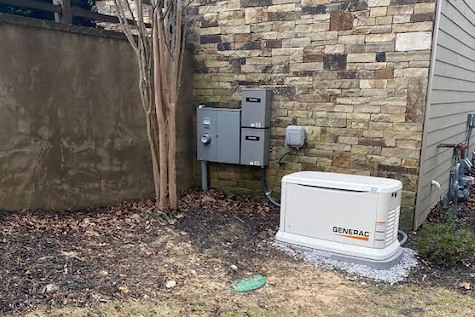
When storms roll through Georgia, your automatic transfer switch is the traffic cop that moves power from the utility to your generator and back again. If it hesitates or fails, your lights, HVAC, and medical devices stay off when you need them most. If you notice problems described below, schedule generator repair with a certified team that knows Georgia weather and wiring standards.
What Your Automatic Transfer Switch Does
Your whole-home generator sits ready in standby. The transfer switch constantly “listens” for utility power. When the grid drops, it signals the generator to start, waits for stable output, then shifts your home onto generator power. When the grid returns, it moves you back to utility and tells the generator to cool down and stop. Any weak link in that sequence can leave your home in the dark or cause rough transitions that stress electronics.
Georgia Weather Risks That Damage Transfer Switches
Georgia’s mix of high humidity, frequent summer lightning, and severe storm surges is tough on electrical gear. Moisture can corrode contacts. Lightning and utility spikes can pit or weld relays. Heat waves push long runtime hours that expose hidden weaknesses in control boards and sensors. Along the coast near Savannah and Brunswick, salty air speeds up corrosion. In North Georgia, fast-moving thunderstorms and falling limbs trigger grid flickers that pound the switch with repeated transfers in a short time.
Clear Signs Your Transfer Switch Needs Professional Attention
You do not need to open the cabinet to spot problems. Watch how your system behaves before, during, and after outages and self-exercise cycles.
- Delayed or missed transfers. Power stays off much longer than normal or never switches to generator during an outage.
- Failure during weekly self-exercise. The generator starts, but the house never picks up the load.
- Chattering or loud clacking from the switch when power toggles on stormy days.
- Lights surge, dim, or flicker during transfer or while on generator power.
- Burnt odor near the switch location, visible discoloration, or heat at the enclosure.
- Control panel warnings or recurring alarm beeps that return after resets.
If any of these sound familiar, compare your experience with this homeowner-friendly guide on clear signs your standby generator needs professional repair. It explains warning patterns many Georgia homes see after lightning or summer heat.
Common Fault Codes And What They Usually Mean
Exact messages vary by brand, yet many point to the same root causes. Treat codes as a call to book a certified visit rather than a DIY project.
- “Transfer switch failure” or “switch did not transfer.” The switch coil, mechanism, or contacts may be worn or obstructed.
- “Generator not in auto.” The control is not armed to respond. After any outage or service, make sure the system is returned to Auto.
- “Utility sense loss” or “voltage out of range.” The switch may be seeing unstable or missing input, sometimes caused by corroded terminals or storm surge damage.
- “Stuck contact” or “welded relay.” Lightning or heavy arcing may have damaged internal parts that must be replaced by a pro.
- “Frequency/voltage imbalance” while on generator. The generator output may be unstable under load, which the switch detects and rejects.
Why Problems Show Up After Humid Days Or Lightning
Humidity creeps into enclosures and speeds corrosion on fine contact surfaces. When the next outage or self-test hits, those contacts arc and pit instead of closing cleanly. Lightning and grid surges can punch through tiny air gaps and stress the control board. The result is intermittent, hard-to-repeat symptoms that seem random in places like Atlanta, Macon, Augusta, Columbus, Athens, and along the coast. Patterns matter. Keep a simple log of when issues happen so your technician can trace the sequence.
Certified Repair Steps That Protect Your Home
A trained technician follows a methodical process to maintain electrical isolation and restore seamless transfers. Here is what that visit typically includes:
Do not open the ATS cabinet. Your technician will secure the area, verify the generator is safe, and apply lockout-tagout so power cannot move unexpectedly. They will inspect terminations, torque-test lugs, and check neutral‑ground separation so backfeed cannot occur. Contacts and mechanisms are evaluated for wear, alignment, and signs of arcing. Control wiring, sensing circuits, and surge protection are tested with the right instruments. When parts are replaced, the tech confirms ratings match your system and that clearances and bonding are correct.
To prove reliability, your technician will simulate a utility outage under controlled conditions, verify transfer timing, measure voltage and frequency stability, and confirm the switch returns to utility power cleanly. They also document results for your records and walk you through the findings in plain language.
Performance Issues That Feel Like A Bad Switch But Are Not
Sometimes the transfer switch is doing its job and pointing to another problem. Weak batteries, poor gas supply, or clogged air intake can cause the generator to stumble. The switch sees unstable power and refuses to connect the home, which is a safe response. If you have not had routine service in a while, pair repairs with planned generator maintenance so both the power source and the switch are verified together.
What To Watch During Self‑Exercise
Modern standby systems run a short test weekly. Even if your lights do not transfer during that test, the control panel should report a clean run with no faults. Warning signs include skipped tests, codes that return after clearing, or unusual cranking that was not there last season. If your system shows patterns like these, you likely need a pro for standby generator repair.
Georgia Homeowner Tips For Safer Outages
These are simple, non-technical habits that help your system work when the grid fails. They are not DIY fixes.
If you smell burning or see smoke, shut the unit down and call for help. Keep plants and debris away from the switch and generator enclosure so airflow stays clear and moisture can drain. After any long outage, take a walk around the unit once power is restored and note new sounds or panel messages. Photograph codes so your tech sees the exact alerts you saw.
When To Call A Pro In Georgia
Reach out as soon as you notice delayed transfers, failed self-exercise cycles, recurring fault codes, or visible corrosion. If your lights flicker when big appliances start on generator power, or if storms brought repeated short outages in your neighborhood, the switch may have taken a beating. It is best to act before the next heat wave or coastal storm strains the grid. For a trusted local partner, start with generator repair in georgia from C & A Generators (Sales & Services) so your home is ready across every season.
How We Restore Seamless Power For Your Home
At C & A Generators (Sales & Services), certified technicians isolate the system safely, replace worn parts with correctly rated components, and verify proper operation under load. We focus on clean transfer timing, tight connections, and surge protection that stands up to Georgia lightning. If needed, we coordinate follow-up maintenance so your generator and switch work as a team for long-term reliability.
Schedule service if transfers are delayed or inconsistent. That small symptom is often the first sign of a switch that needs attention, and catching it early prevents bigger problems when neighbors are also calling for help.
Ready For Reliable Transfers Before The Next Storm?
If your transfer switch shows any of the warning signs above, book expert help today. Our team provides fast, state-wide support for “automatic transfer switch troubleshooting GA” and full “standby generator repair service Georgia.” Call us at 678-525-0266 or schedule with our team through generator repair. For families who prefer online requests, you can also start a ticket through the same generator repair page so we can align parts, timing, and a clear plan before we arrive.
STAY POWERED IN ATLANTA WITH C & A Generators (Sales & Services)