

How to Size a Standby Generator for a Two-Story Atlanta Home
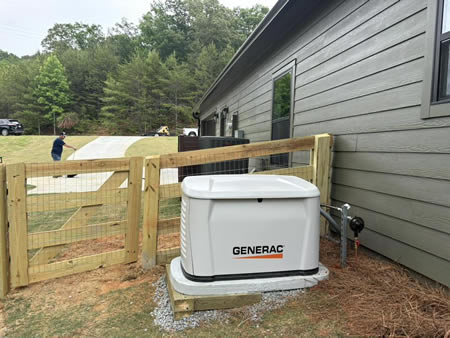
Summer storms, winter cold snaps, and tree-lined streets can turn a quiet evening in Atlanta into a sudden outage. If you want lights, HVAC, and key appliances to stay on, the big question is how to size a standby generator for your two-story home. A professional generator installation will match the right capacity to your lifestyle, so you get reliable comfort without overbuying.
This guide explains how sizing works for two-story homes in neighborhoods like Buckhead, Decatur, and Sandy Springs. You will learn how pros select loads, the difference between whole-house and essential-circuits coverage, and how fuel supply and smart load management keep everything running smoothly.
What Makes Two-Story Atlanta Homes Unique
Two-story homes often have bigger and more variable electrical demand than single-level layouts. Many have zoned HVAC with separate air handlers or condensers, which adds starting loads that a generator must handle without dimming lights or tripping protection.
Older homes that were updated over the years may mix gas heat with electric air conditioning, while newer builds might add high-draw items like electric ranges, double ovens, or EV chargers. Atlanta’s humid summers put steady demand on cooling, and winter cold snaps can push auxiliary heat strips in heat pumps. That seasonal swing is a key part of sizing.
Another factor is how people use upstairs spaces. A second-floor laundry, home office, or kids’ rooms can mean more simultaneous loads during an outage. Your installer will balance real-world habits with critical needs so comfort stays consistent on both floors.
How To Size a Standby Generator for Your Two-Story Atlanta Home
Right-sizing blends math with practical choices. Your installer will start with a load review and then apply diversity and starting-current principles, so the generator handles real-life peaks rather than a theoretical maximum you never reach.
- List the must-run circuits you want during an outage, such as HVAC, refrigerator, kitchen lighting, internet, sump pump if present, and medical equipment.
- Note any large motors or compressors. Central air, heat pumps, and well pumps (if applicable) need extra capacity for startup.
- Decide what comfort means to you. Some families want every outlet live, while others only need essential circuits and one HVAC zone.
- Plan for future needs like an EV charger or a finished attic. A small buffer can prevent a second upgrade later.
Generators are chosen for both running watts and short bursts of starting watts. Air conditioners and heat pumps pull a surge when the compressor kicks on. Soft-start kits or smart load management can curb that spike, which may let you choose a smaller generator without giving up comfort.
Think in scenarios. If your upstairs and downstairs AC are likely to call for cooling at the same time on a July afternoon, the generator must hold that load or briefly pause one zone while the other starts. The goal is smooth, automatic control that you never notice in day-to-day living.
Life-safety circuits first. Keep refrigeration, key lighting, and critical medical devices on the must-run list. After that, layer in HVAC zones, kitchen outlets, and conveniences that matter most to your family.
Whole-House vs Essential-Circuits Generators
You have two main strategies. A whole-house solution powers the entire panel, while an essential-circuits setup targets specific loads through a subpanel or smart switch. The right choice depends on your priorities, home size, and seasonal use.
- Whole-house coverage feels seamless. Everything works as usual, which is helpful for larger homes, multi-zone HVAC, and families who host often.
- Essential-circuits coverage protects the basics with a smaller generator. You choose HVAC zones, fridge, lighting, internet, and a few outlets to keep life moving.
Many Atlanta homeowners pick a middle path. They use whole-house transfer switches with load-shedding modules for high-draw items like a second AC or electric water heater. That way the system shifts power intelligently, keeping comfort steady without oversizing the generator.
Do not oversize your generator. Bigger is not always better. Oversizing can raise fuel use and cost without adding real value. Smart controls often deliver the same comfort with a right-sized unit.
Fuel, Transfer Switches, and Panel Setup
Most metro Atlanta homes use natural gas, which makes fueling straightforward during long outages. Homes outside city gas lines may rely on propane tanks sized for several days of runtime. Your installer will coordinate with your gas provider or propane supplier to confirm supply for the selected generator.
Verify your fuel capacity and pressure. Your generator needs adequate flow while your other gas appliances operate. A pro will check meter or regulator sizing and line runs during the design phase.
Automatic transfer switches route power from the utility to the generator when an outage hits, then back again when power returns. Modern switches can prioritize critical loads and pause non-essential ones for a few minutes during large startups. Paired with load management, they do the heavy lifting so you do not have to flip breakers in the dark.
If you are comparing models, spend time on controls and integration with your existing panel. Systems that talk to thermostats or individual circuits can unlock more comfort without adding generator size. This is where a category overview of standby generators can help you see what features matter day to day.
Smart Load Management for Two-Story Comfort
Load management helps a right-sized generator feel bigger than it is. Instead of powering every high-draw appliance at the exact same moment, the system staggers or temporarily pauses select loads when the generator sees a surge.
Common targets include a second HVAC zone, electric water heater, pool pump, or EV charger. These can cycle for a few minutes without impact while the fridge or main HVAC starts. The result is quieter operation and steadier voltage throughout the home.
Ask your installer about pairing a soft-start kit with your upstairs AC if it has frequent short cycles. Reducing compressor inrush can smooth starting spikes, which is a big win in hot, humid weather when both zones work hard after the outage begins.
What a Pro Considers During Your Sizing Visit
A good site visit covers more than a wattage chart. Pros look at your panel layout, the distance to gas supply, and the best outdoor location for airflow and service access. They also review how your family actually uses the home, not just what is on paper.
- How many HVAC zones and how they are staged or controlled
- Gas or electric water heating and any high-draw kitchen appliances
- Internet, work-from-home needs, and medical devices
- Future projects like an EV charger, basement finish, or backyard studio
The result is a plan that keeps your daily routines intact. For many two-story homes, smart controls and thoughtful circuit selection create a whole-house feel even when you are technically protecting essentials first.
Placement, Noise, and Neighbors
Where you place the generator matters for comfort and community. Side yards between homes in places like Brookhaven or Smyrna may require extra attention to airflow and sound. A pro will consider window locations, nearby patios, landscaping, and maintenance access.
Local siting rules and clearances can vary by city or county. Your installer will follow manufacturer requirements and local guidelines for safe distances and exhaust direction. That planning keeps you safe and keeps the neighborhood peaceful during overnight runs.
Why Professional Sizing and Placement Matter in Atlanta
Atlanta weather can swing fast, and electrical loads can spike without warning. Professional design prevents nuisance shutdowns and protects sensitive electronics. It also makes sure the fuel supply, wiring, and transfer switch are set up to work together under stress.
Always use a licensed electrician and a manufacturer-trained installer. They will coordinate any required paperwork, confirm gas service details, and set up smart controls so the generator starts, stabilizes, and hands off loads in the safest order. If you are ready to plan your project, explore professional generator installation to see how the process works from assessment to final test.
Avoid Common Sizing Pitfalls
Most sizing mistakes come from guessing or copying a neighbor’s setup. Homes that look alike on the outside can have very different electrical profiles once you count HVAC, cooking, and lifestyle loads.
Another misstep is forgetting about starting current. The system can look fine on paper until two compressors start back to back. Smart controls or a small capacity bump fix this, but only if you plan ahead.
Finally, remember that outages do not follow a schedule. Choose a configuration that supports your family on the hottest day in July and the coldest morning in January. Comfort and safety should be consistent whether you are home alone or hosting a full house.
Right-Sizing Example Scenarios
Here are simple ways pros balance comfort and capacity without overbuilding:
Family that works from home in Decatur: They keep internet, office outlets, kitchen lighting, fridge, and the downstairs AC on priority. The upstairs AC can pause for a few minutes when the fridge or downstairs zone starts. With smart controls, it feels seamless.
Entertaining household in Buckhead: They choose a whole-house transfer switch with load-shedding on the pool pump and double ovens. During an outage, those high-draw items pause briefly when both AC zones need to start. Hosting stays comfortable and bright.
Growing family in Sandy Springs: They size for current essentials plus a small buffer for a future EV charger. The charger is on a managed circuit so it automatically waits during high-demand moments, then resumes when power allows.
Maintenance Keeps Sizing Effective
A right-sized generator needs routine care to stay right. Oil changes, filter checks, and software updates keep the engine healthy and the transfer switch responsive. Battery condition is especially important for reliable starts.
Run the exercise cycle the manufacturer recommends and keep vegetation trimmed around the unit. Clear space helps cooling and gives technicians room to work quickly during service appointments. Good maintenance preserves the performance you paid for.
Ready To Right-Size Your Backup Power
If you are comparing options, start with your must-run list and comfort goals, then let a pro translate that into generator capacity and smart controls. For a deeper overview of equipment types and features, browse our guide to standby generators and see what fits your home. You can also learn more about how to size standby generator with the help of C & A Generators (Sales & Services).
Want a one-on-one plan for your two-story Atlanta home? Call C & A Generators (Sales & Services) at 678-525-0266. We will design, install, and maintain a system that keeps your family comfortable when the grid goes quiet.
STAY POWERED IN ATLANTA WITH C & A Generators (Sales & Services)