

Hidden Generator Costs to Budget For After Generator Installation in Metro Atlanta, GA
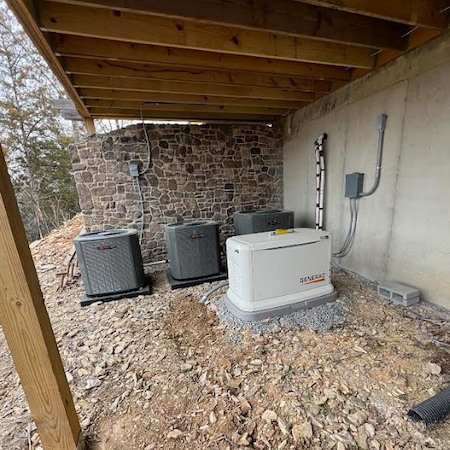
You made a smart move adding backup power to your Metro Atlanta home. Now comes the part most homeowners overlook: the long‑term ownership costs that start after the final inspection. This guide explains what to expect so you can plan ahead and protect your investment. If you’re still comparing options, explore professional generator installation details before you build your budget.
The Realities of Fuel in Metro Atlanta
Fuel is the heartbeat of your standby system. In our area, most homes connect to natural gas or use a dedicated propane tank. How much you spend depends on outage length, household load, and how often you exercise the unit to keep it ready.
Natural Gas vs. Propane
Natural gas is convenient because there is no on-site refueling, but your utility may require a meter or pressure check for higher demand. Propane gives you control with a tank on your property, yet you must schedule deliveries and keep the tank accessible for trucks, even after heavy rain or fallen branches common around Sandy Springs, Decatur, and Roswell.
Storm seasons matter. Summer thunderstorms and remnants of tropical systems can bring multi‑hour outages across Metro Atlanta, while occasional winter ice events add surprise run time. Budget for both short blips and the rare longer outage so you are not caught off guard.
Scheduled Maintenance That Protects Your Investment
Standby generators thrive on consistency. Routine service keeps the engine healthy and maintains warranty coverage. A simple plan prevents small issues from becoming big problems during a storm.
Typical Preventive Items
- Engine oil and filter changes based on hours of use and time in service
- Air filter replacement, especially after heavy pollen season
- Spark plug inspection and replacement as needed
- Battery testing and eventual replacement to ensure reliable starts
- Transfer switch inspection, torque checks, and safe operation testing
Atlanta’s spring pollen can clog filters faster than you expect, and leaves in the fall can collect around louvers. **Budget for routine maintenance** and keep clear airflow so the unit can cool properly in August heat.
Wear, Tear, and Repairs Over Time
Engines and electronics work hard during outages and test cycles. Over several years, you may face wear items and the occasional component failure. Common parts include starter motors, control boards, voltage regulators, and sensors. Lightning and power quality swings during severe weather can stress sensitive electronics, even with surge protection.
Most manufacturers cover defects for a limited period, but warranties do not cover every scenario. Keep service records and note run hours. **Use factory‑authorized parts** when replacements are needed to help protect performance and safety.
Utility and Monitoring Costs Homeowners Forget
Many homeowners opt for cellular or Wi‑Fi monitoring so the system can alert you and your service team. Monitoring platforms may carry a small ongoing fee. Your gas utility could also recommend meter or line evaluations for higher demand appliances; requirements differ by property and utility, so expect this to vary by neighborhood and installation details.
If you want a deeper overview of equipment choices and upkeep, browse practical insights on our blog at standby generator tips. When you are ready to compare systems side by side, take a look at our category overview for standby generators.
Seasonal and Environmental Factors in Metro Atlanta
Metro Atlanta’s mix of clay soils, humidity, and leafy lots can influence generator ownership. Heavy rains can soften the ground around pads, and shifting soil may stress conduit or fuel lines if the pad was not prepared correctly. Trimming shrubs helps airflow and keeps critters from nesting near warm equipment.
Noise and Placement Considerations
Even quiet models create sound during runs. Placement near sleeping spaces or neighbor fences can become a concern on long storm nights. If you ever change landscaping or add hardscapes, verify that clearances remain within manufacturer guidelines and any local rules. These details help your system breathe and keep sound levels consistent.
Permit Renewals, Inspections, and HOA Considerations
Post‑installation needs can pop up later. Some municipalities or utilities may request re‑inspections after equipment changes, while many HOAs require screening or sound considerations for outdoor equipment. Policies vary by community, so confirm what applies to your property before adding fencing, lattice, or shrubs around the unit.
Keep documents handy. A tidy folder with permits, inspection sign‑offs, utility letters, and maintenance logs makes future conversations with buyers, HOAs, or insurers faster and easier.
Battery, Transfer Switch, and Other Components
Your generator is part of a system, not a standalone box. The battery is a consumable item. The automatic transfer switch (ATS) contains contacts and electronics that work each time power moves from the utility to the generator and back again. Over years, these parts experience electrical and mechanical wear.
- Battery replacement intervals depend on usage, climate, and quality
- ATS checks catch contact wear, heat discoloration, or wiring issues
- Whole‑home surge protection can reduce stress on delicate boards
Ask your technician to document test results in plain language. Clear notes make trends visible, like declining battery performance or repeated nuisance alarms that hint at a weak sensor.
Resale Value and Insurance Conversations
Standby power can lift a home’s appeal in Buckhead, Brookhaven, East Cobb, and beyond. To get credit at sale, buyers want proof the system is healthy. Save service invoices and note any component upgrades. Your insurer may also want to know you added a permanently installed generator; coverage and premiums depend on the policy and carrier.
Some homeowners add monitoring for peace of mind when traveling. The small fee can be worth it if alerts help you resolve issues before a storm week hits.
Smart Budgeting Checklist for Year One and Beyond
Every home and setup is different, but most owners in Metro Atlanta find it helpful to plan for these common categories. Adjust your list based on fuel type, generator size, and run history.
- Fuel for test runs and outages based on typical storm seasons
- Annual maintenance visit with oil, filters, and inspection
- Battery testing and eventual replacement
- Monitoring subscription if you choose connected features
- Landscaping or screening upkeep that preserves airflow and access
- Contingency for unexpected repairs during high‑use seasons
Think of your generator like a car you count on during the toughest days. **Monitor your system** for new noises or alerts and schedule service before peak weather arrives. For a broader look at equipment options and care, many homeowners start at our main page and learn more about generator installation in metro atlanta.
How C & A Generators (Sales & Services) Helps You Plan Ahead
Choosing the right partner matters. C & A Generators (Sales & Services) installs, services, and supports standby systems across Metro Atlanta with a focus on reliability and simple communication. We map out maintenance from day one, explain fuel considerations in plain terms, and help you avoid surprises later.
If you have not installed yet, review the steps for a smooth project with our team at generator installation service. Already own a system and want help with a maintenance plan? Call us at 678-525-0266 and we will tailor a schedule that fits your home, your neighborhood, and your risk tolerance.
When storms are in the forecast, confidence matters more than luck. **Always keep the area around the generator clear**, keep records organized, and partner with professionals who know local weather patterns and utility processes. Ready to feel prepared before the next outage? Start here with expert generator installation and long‑term support from C & A Generators (Sales & Services).
STAY POWERED IN ATLANTA WITH C & A Generators (Sales & Services)