

Gas Line Requirements for Whole-Home Generators in Georgia
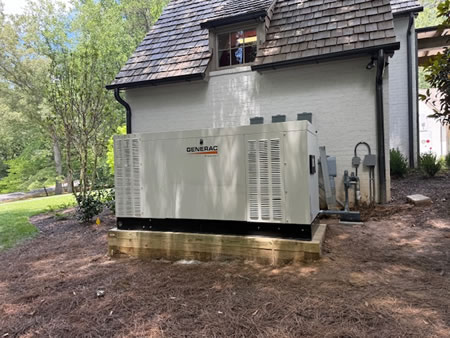
Planning a standby generator is exciting, but the project only works as well as the gas line feeding it. In Atlanta, GA, the right line size, pressure, and routing keep your generator starting fast and running smoothly during storms and summer outages. If you are considering gas hookups for generators, this guide walks through the essentials so your system performs when your family needs it most.
Why Gas Line Sizing Matters In Atlanta, GA
Whole-home generators draw a lot of fuel when they start and while carrying heavy loads like air conditioning. If the gas line is too small or runs too far without proper sizing, pressure drops and the engine hunts or trips offline. That is why sizing begins with the generator’s fuel demand, the length of the run, the number of fittings, and the available pressure at your meter or tank.
Homes across Buckhead, Brookhaven, Decatur, Roswell, and Marietta vary widely in layout and gas appliance count. Some have multiple furnaces, tankless water heaters, and fireplaces on the same service. A professional looks at the whole picture so the generator does not fight with your other appliances during a long outage.
Natural Gas Vs. Propane For Standby Generators
Metro Atlanta offers reliable natural gas service, which many homeowners prefer for long runtimes and no refueling trips. Propane is a strong choice for homes outside dense utility corridors or where meter capacity is limited. Either fuel can power Generac and Cummins standby units effectively when the supply is designed correctly.
Natural gas taps your existing utility meter. Propane uses an onsite tank with one or more regulators. In both cases, the supply must support the generator at full load without starving your other appliances. A professional will match tank size or meter capacity to your generator’s fuel curve and the way your family uses power.
Understanding Pressure, Meter Capacity, And Regulators
Gas pressure is measured in inches of water column. Standby generators typically require a steady pressure within the manufacturer’s range while starting and under load. Pressure that sags below the rated window leads to hard starts, fault codes, or short cycling during hot summer afternoons when the air conditioner kicks on.
Your home’s meter or tank regulator needs enough capacity for all appliances running together. A contractor checks available supply, regulator stages, and whether a dedicated second-stage regulator near the generator is appropriate. Coordination with your utility or propane supplier helps confirm what your system can deliver during peak demand.
- Flickering lights or the generator surging under load can point to a fuel supply issue.
- Heaters or stoves struggling when the generator runs may indicate your meter or regulator is undersized.
- Long piping runs with many elbows increase pressure drop and often require upsizing.
Piping Materials And Routing For Metro Atlanta Homes
Gas lines are commonly run in black iron, corrugated stainless steel tubing (CSST), or underground polyethylene where permitted. Each material has different rules for routing, support, protective sleeves, and transitions. CSST requires proper bonding and grounding. Underground lines need approved transitions at risers and careful planning around tree roots and hardscapes common in neighborhoods like Virginia-Highland and Inman Park.
Routing choices affect performance and appearance. Short, direct runs with smooth routing reduce pressure drop and keep the installation discreet. Where lines pass through garages, crawl spaces, or exterior walls, a professional plans secure supports, drip legs where required, and safe clearances from ignition sources and vents.
Setback, Venting, And Safety Clearances
Generators must sit with safe clearances to walls, doors, and windows. Manufacturers publish exact distances for air intake, exhaust discharge, and service access. Keeping vegetation trimmed and ensuring the pad sits level with good drainage protects the unit during heavy Atlanta rains and spring storms.
Exhaust routing and prevailing winds matter too. Homes near wooded lots in Sandy Springs or sloped yards in Smyrna may need extra attention to airflow. **Never block the generator’s intake or exhaust** and keep snow, leaves, and pine straw from piling around the cabinet.
Coordination Timeline: Utility, Inspector, And Installer
A smooth project lines up the site visit, fuel design, permits where required, utility coordination, and inspections. Timelines vary by jurisdiction and season, especially before summer heat waves and during fall storm prep.
- Site evaluation and load review to confirm generator size and preliminary gas route.
- Fuel plan that accounts for total connected load and the generator’s starting demand.
- Scheduling with the gas utility or propane supplier for meter verification or tank arrangements.
- Installation, pressure testing, and final inspection in line with local requirements.
Keeping all parties in sync helps avoid delays. **Do not operate a new generator until the fuel line has been pressure tested and inspected as required** by local authorities.
What Drives Gas Line Size And Length
Think of natural gas like water in a hose. The smaller the hose and the longer the run, the less you get at the end. Every elbow adds friction. A pro uses accepted sizing methods to balance pipe diameter and run length so your generator gets stable pressure during starts and under heavy loads.
Large single-level ranch homes in East Cobb might allow shorter exterior runs, while multi-story homes in Grant Park often require creative routing to avoid decks and patios. **Long runs with many fittings usually need upsizing to maintain stable pressure** and strong performance.
Generator Brands And Fuel Needs: Generac And Cummins
Generac and Cummins standby units are popular across Atlanta. Each brand publishes fuel requirements that specify minimum pressure and flow through the entire operating range. These charts help your installer match the gas line to real-world conditions like summer air conditioning loads and backup heat use during a winter ice event.
When comparing models, look at fuel demand at both half and full load. The right gas line design supports those peaks without starving other appliances. If you are planning a new installation or an upgrade, review gas hookups for generators with a specialist so your chosen brand performs to spec.
Meter Upgrades, Second-Stage Regulators, And Valves
Some homes need a meter upgrade or a change to regulator staging. A dedicated shutoff valve near the generator is standard practice for safe service. Where lines cross driveways or garden beds, protective sleeves or routing adjustments help prevent future damage from landscaping or vehicles.
In older bungalows found across Kirkwood and West End, tight crawl spaces may limit where a new line can pass. Newer construction in Alpharetta or Johns Creek often has more attic or exterior wall options. Either way, a careful plan keeps gas lines accessible for maintenance and future needs.
Seasonal And Neighborhood Considerations Across Atlanta
Summer brings long cooling cycles, which increase generator load and fuel draw. Winter can deliver brief ice events that cause branches to fall and power to fail. Your gas line must support starts under these stressful conditions. Clay-heavy soils on the east side hold water, so keeping lines at proper depth with good drainage around the generator pad protects your investment during heavy rain.
Tree-lined streets from Decatur to Druid Hills mean roots and irrigation lines can complicate trenching. A site walk helps pick a route that avoids big roots, sprinkler loops, and landscape lighting. **Call before any digging so all utilities are marked** and the team can route safely.
How C & A Generators (Sales & Services) Designs Reliable Fuel Paths
Our process starts with listening to how you use your home. We evaluate your existing appliances, meter or tank, and the generator model you plan to install. Then we map a direct route with proper materials, bonding, supports, and protective transitions where needed. The result is a fuel line that keeps your generator steady and quiet even when the neighborhood lights are out.
If you want a broader look at system choices, you can explore our overview of standby generators. For homeowners who are early in research, it also helps to review the basics at the start of any project. When you are ready, we can confirm details on-site and verify that your gas line for standby generator plans align with your home.
Testing, Start-Up, And Ongoing Care
After installation, the crew performs a pressure test and documents results for the inspector when required. Start-up includes verifying gas pressure at the generator during no-load and loaded conditions. Your installer also sets exercise mode so the unit runs briefly each week, which keeps fuel lines clear and the engine lubricated.
Schedule routine inspections before storm season. Technicians will check valves for smooth operation, confirm bonding on CSST, look for corrosion on exterior fittings, and clear debris around the cabinet. A quick tune-up and inspection can prevent nuisance shutdowns when the grid is stressed by heat or severe weather.
Common Signs Your Gas Supply Needs Attention
Most generators give you plain clues when fuel supply is marginal. Slow cranking, uneven running, and fault codes during large appliance starts are common. If your unit stumbles when the air conditioner or electric oven turns on, the system may need a gas line review, a regulator change, or meter verification with your supplier.
Do not ignore repeated alarms. Addressing supply issues early protects the engine and keeps your warranty in good standing. A small design correction often restores confidence and smooth performance.
Ready To Get Your Gas Line Hooked Up?
Whether you live in Midtown, Morningside, or Peachtree Corners, a well-designed gas line is the backbone of reliable backup power. Call C & A Generators (Sales & Services) at 678-525-0266 to schedule a site visit. Our specialists will review your home’s layout, confirm fuel supply, and plan a clean, code-conscious installation tailored to your generator. To start the conversation, visit our page on gas hookups for generators and we will help you take the next step with confidence.
STAY POWERED IN ATLANTA WITH C & A Generators (Sales & Services)